Ultimate Travel Guide: 6 Perfect Routes to Vacation in Antalya

Antalya, often referred to as the pearl of the Turkish Riviera, is a destination that seamlessly blends ancient history, breathtaking natural landscapes, and modern luxury. Whether you are a history enthusiast looking to walk through the footsteps of ancient civilizations, a nature lover eager to hike through pine-scented canyons, or a sun-seeker yearning for pristine Mediterranean beaches, finding the 6 perfect routes to vacation in Antalya will transform your trip into an unforgettable journey. Navigating this vast and diverse province requires careful planning, and choosing the right itinerary ensures you experience the true essence of southern Turkey without missing its hidden gems.
When planning an upscale and stress-free journey through these magnificent Mediterranean landscapes, reliable transportation is key. Utilizing a premium provider like Antalya Transfer Service allows you to transition smoothly between historical sites, coastal resorts, and hidden mountain villages, ensuring that your focus remains entirely on the beauty of your surroundings.
H2: Why These 6 Perfect Routes to Vacation in Antalya Offer the Ultimate Experience
The diversity of the Antalya region means that a single coastal drive cannot capture everything. To truly experience the region, travelers must look at distinct geographical and cultural corridors. Each of the routes curated below represents a unique facet of the province, ensuring a balanced mix of cultural immersion, physical adventure, and deep relaxation.
By structuring your holiday around these tailored pathways, you avoid the common tourist traps and instead engage with authentic local businesses, well-preserved archaeological sites, and pristine natural reserves. Let us explore these carefully selected itineraries designed to showcase the very best of the region.
H2: Route 1: The Historic Heart and Modern Luxury (Kaleiçi to Lara)
The journey begins in the absolute center of the province. Kaleiçi, the historic old town of Antalya, is a living museum. Enclosed by ancient Roman and Byzantine walls, its narrow, winding cobblestone streets are lined with beautifully restored Ottoman-era mansions, boutique hotels, and hidden courtyards.
H3: Key Highlights of Kaleiçi
Hadrian’s Gate: Built in 130 AD to commemorate the visit of the Roman Emperor Hadrian, this monumental triple-arched gateway is the grand entrance to the old world.
The Yivliminare Mosque: A 13th-century Seljuk masterpiece with a distinctive fluted minaret that dominates the city’s skyline.
The Old Harbour: A picturesque marina surrounded by cliffs, offering boat tours that sail past the dramatic city waterfalls.
Leaving the historic quarter, the route moves eastward along the rocky coast toward Lara. Known for its upscale atmosphere, Lara is famous for its long stretch of dark-sand beach and a collection of themed ultra-all-inclusive luxury resorts often dubbed the "Las Vegas of Turkey."
H3: Experiencing Lara and Lower Düden Waterfall
Lara is not just about relaxation; it is also home to the spectacular Lower Düden Waterfall, where the river cascades directly off a massive cliff into the Mediterranean Sea. Walking along the manicured coastal parks in Lara during sunset offers a perfect view of this natural wonder. To reach this vibrant resort area directly from the airport with maximum comfort, booking a private vehicle through Antalya Transfer Service guarantees a seamless start to your Mediterranean escape.
H2: Route 2: The Ancient Pamphylian Coast (Belek to Side)
For those who wish to combine elite sports facilities with profound historical exploration, the eastward route leading through Belek and ending in Side is unmatched. This corridor takes you deep into the heart of ancient Pamphylia, an area rich in archaeological heritage and modern leisure infrastructure.
H3: Belek: The Golf and Wellness Capital
Belek is globally renowned for its world-class, championship golf courses designed by legendary architects. Surrounded by dense pine forests and pristine sandy shores, it serves as a haven for wellness enthusiasts and sports professionals alike. Beyond the fairways, Belek acts as a gateway to Aspendos, home to the most exceptionally preserved Roman theater in the world, which still hosts opera and ballet festivals today.
H3: Side: A Seaside Living Museum
Continuing east brings you to Side, a spectacular peninsula where modern resort life coexists directly with spectacular Greco-Roman ruins. As you walk down the main pedestrian street of Side, you look down through glass floors to view ancient Roman streets beneath your feet.
The Temple of Apollo: Situated right on the water's edge at the tip of the peninsula, its remaining white marble columns offer one of the most iconic sunset photography locations in the Mediterranean.
The Side Antique Theater: A massive structure that could once hold up to 15,000 spectators, showcasing impressive Roman engineering.
H2: Route 3: The Turquoise Lycian Adventure (Kemer to Çıralı and Olympos)
Heading west from the city center, the landscape changes dramatically. The Taurus Mountains drop vertically into the clear waters of the Mediterranean, creating a rugged coastline defined by hidden coves, pine forests, and dramatic cliffs. This is the beginning of the ancient Lycian Way.
H3: Kemer and the Tahtalı Mountain
Kemer is a vibrant resort town known for its large marina and lively nightlife. However, the true appeal of this route lies just beyond the town limits. Mount Tahtalı, also known as Mount Olympos, towers over the coast at an elevation of over 2,300 meters. The Olympos Teleferik (cable car) takes visitors from the coastal base to the snow-capped summit in just ten minutes, offering panoramic 360-degree views of the entire coastline.
H3: Çıralı: Eco-Tourism, Sea Turtles, and Eternal Flames
Further south lies Çıralı, a peaceful eco-conscious village nestled in a protected agricultural valley. Free from high-rise hotels, Çıralı boasts a pristine pebble beach that serves as a vital nesting ground for endangered Caretta caretta (loggerhead) sea turtles.
The Ancient City of Olympos: Located at the southern end of the beach, hidden inside a densely forested river canyon, lie the overgrown ruins of a prominent Lycian league city.
The Chimaera (Yanartaş): A short hike up the rocky hillside of Çıralı leads to the eternal flames, natural methane gas leaks that have burned continuously between the rocks for millennia, inspiring the ancient Greek myth of the Chimaera monster.
H2: Route 4: The High Altitude Escape (Termessos and the Karain Cave)
Antalya is not merely a coastal destination. Turning inland and ascending into the rugged Taurus Mountains reveals a completely different microclimate, dense forests, and untamed ancient ruins that feel worlds away from the crowded beach resorts.
H3: Termessos: The Unconquerable Eagle's Nest
Perched precariously at an altitude of over 1,000 meters inside Mount Güllük National Park lies Termessos. This ancient Pisidian city was so fiercely defended and naturally fortified that Alexander the Great famously refused to besiege it in 333 BC, comparing it to an eagle’s nest.
Hiking through Termessos requires sturdy footwear, as the ruins remain largely unexcavated and wild. The highlight of the site is the ancient theater, built directly on the edge of a sheer cliff, offering jaw-dropping views of the mountain peaks below.
H3: Karain Cave: Tracing Human Prehistory
Located nearby on the slopes of Mount Samda, Karain Cave is one of the oldest human-inhabited sites in Turkey, with history dating back to the Paleolithic era (over 50,000 years ago). Excavations here have unearthed Neanderthal remains, ancient tools, and bones of long-extinct animals, making it an essential stop for anyone fascinated by deep human history.
H2: Route 5: The Deep Lycian Coastline (Demre, Kekova, and Kaş)
For travelers willing to venture further west, the reward is a landscape of unparalleled bohemian charm and dramatic coastal beauty. This route requires a longer drive, but the rewards are some of the most spectacular vistas in the entire Mediterranean region.
H3: Demre: Saint Nicholas and Ancient Myra
Demre is steeped in spiritual and historical significance. It is home to the Church of Saint Nicholas, the actual 4th-century bishop who inspired the modern-day figure of Santa Claus. Just a few minutes away lie the spectacular Lycian rock-cut tombs of Myra, carved directly into vertical cliff faces, sitting adjacent to a beautifully preserved Roman theater.
H3: The Sunken City of Kekova
From Demre, a short boat trip takes you to the island of Kekova. Here, a devastating earthquake in the 2nd century AD caused an ancient Lycian settlement to partially sink into the sea. Floating over the crystal-clear waters in a glass-bottomed boat, you can clearly observe submerged stone stairs, foundations, and ancient amphorae resting on the seabed.
H3: Kaş: The Bohemian Diving Capital
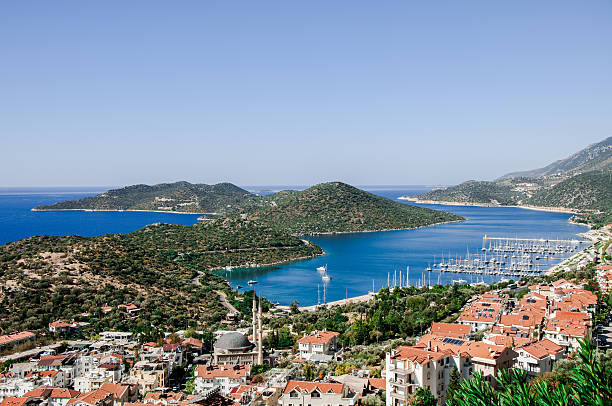
The final stop on this route is Kaş, a picturesque, laid-back town characterized by whitewashed houses covered in bright pink bougainvillea. Kaş has successfully preserved its small-town fishing village charm while becoming the premier scuba diving destination in Turkey. Its waters are famous for exceptional visibility, underwater caves, historic wrecks, and vibrant marine life.
H2: Route 6: The Green Canyons and Rushing Rivers (Manavgat to Köprülü Canyon)
The final route focuses on the raw hydrologic beauty of the region, heading north from the coastal plains into the lush, water-rich canyons fed by melting mountain snow.
H3: Manavgat Waterfall and River Cruises
The town of Manavgat is famous for its wide, emerald-green river and the low, wide Manavgat Waterfall. While not exceptionally high, the sheer volume of water rushing over the rocks creates a dramatic and cooling atmosphere. Taking a calm river boat cruise down to the point where the cold river water meets the warm Mediterranean Sea is a popular local pastime.
H3: Köprülü Canyon National Park: The Adventure Hub
Further inland lies the breathtaking Köprülü Canyon, a deep gorge carved out by the Köprüçay River, stretching for over 14 kilometers. This national park is the undisputed white-water rafting capital of Turkey, offering thrilling rapids suitable for both beginners and experienced rafters.
Oluk Bridge: An ancient Roman stone arch bridge that spans the narrowest and deepest section of the canyon, standing 27 meters above the rushing river.
Selge Ancient City: Located even higher up the mountain roads past the canyon, this remote ancient site features bizarre, fairy-chimney-like rock formations often called the "Avatar Lands."
To explore these remote canyon roads and mountainous terrains safely and without the stress of navigating unfamiliar mountain switchbacks, relying on the professional fleet of Antalya Transfer Service provides absolute peace of mind.
H2: Expert Travel Tips for Navigating Antalya
To ensure your exploration of these routes is as smooth as possible, keep these expert travel tips in mind:
Best Time to Visit: Spring (April to June) and Autumn (September to November) offer the most pleasant weather for hiking and exploring ancient ruins without the intense heat of July and August.
Footwear Matters: Many of the best historical sites, such as Termessos and Olympos, require walking on rough, unpaved, and rocky terrain. High-quality hiking shoes or sturdy sneakers are essential.
Hydration: The Mediterranean sun can be intense. Always carry plenty of water, especially when visiting inland archaeological parks where facilities may be minimal.
Transportation Logistics: Driving in rural or mountainous areas of Turkey can be challenging due to narrow winding roads. Securing professional private transfers allows you to enjoy the scenery while expert drivers handle the terrain.
H2: Frequently Asked Questions (FAQ)
What is the best way to travel between these different routes?
While public buses connect major towns, the most efficient, comfortable, and time-saving method is using private transport providers like Antalya Transfer Service. This eliminates waiting times and allows you to customize your itinerary precisely.
How many days do I need to explore all 6 routes?
To truly experience all 6 routes without rushing, a holiday of 10 to 14 days is ideal. However, if your time is limited, you can pick 2 or 3 routes that best align with your personal interests.
Are the ancient sites in Antalya suitable for young children?
Coastal sites like Side and the lower parts of Olympos are relatively easy to navigate with children. However, high-altitude mountain sites like Termessos involve steep, rocky hikes that may be challenging for very young children or those with limited mobility.
Can I swim at all the coastal stops mentioned?
Yes, places like Lara, Side, Çıralı, and Kaş boast some of the cleanest and most beautiful beaches in Turkey, many of which hold the international Blue Flag certification for cleanliness and safety.
H2: Conclusion: Your Unforgettable Mediterranean Journey awaits
In conclusion, planning your trip around the 6 perfect routes to vacation in Antalya guarantees a deeply rewarding, diverse, and well-rounded travel experience. From the winding historic alleys of Kaleiçi and the world-class golf fairways of Belek to the dramatic mountain fortresses of Termessos and the bohemian diving bays of Kaş, this region holds a magical allure for every type of traveler. By focusing on authentic cultural engagement, respecting the local natural habitats, and utilizing professional transportation solutions like Antalya Transfer Service, you ensure that your Mediterranean holiday is defined by comfort, exploration, and unforgettable memories.